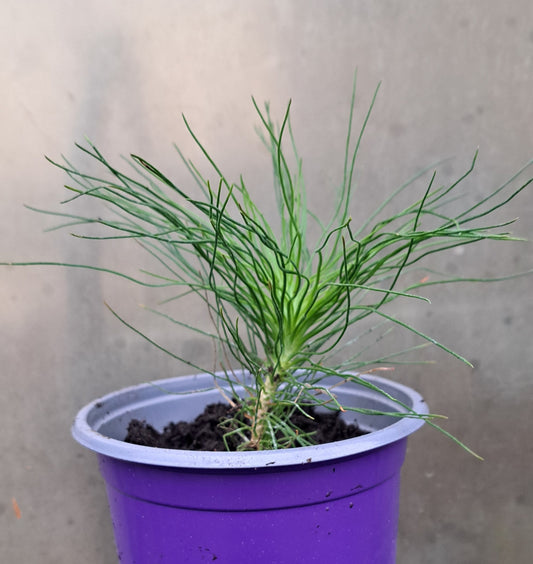
Frequently Asked Questions About Planting Conifers
When is the best time to plant conifers?
The ideal time to plant conifers is during autumn (September to November) or early spring (March to April). Planting during these periods allows the roots to establish before the stress of summer heat or winter cold. Container-grown conifers can be planted year-round, but avoid planting during frozen ground or drought conditions.
How do I prepare the planting site?
Choose a location with appropriate sunlight for your specific conifer variety. Dig a hole twice as wide as the root ball but no deeper than the root ball height. Break up compacted soil around the edges of the hole to encourage root growth. Remove any weeds, grass, or debris from the planting area.
What type of soil do conifers need?
Most conifers prefer well-drained, slightly acidic soil with a pH between 5.5 and 6.5. They can tolerate a range of soil types but struggle in waterlogged conditions. If your soil is heavy clay, consider improving drainage by adding organic matter or creating a raised bed.
How deep should I plant my conifer?
Plant your conifer at the same depth it was growing in its container. The root flare (where the trunk meets the roots) should be visible at soil level. Planting too deep can cause root rot and stress, while planting too shallow can expose roots to drying out.
How much space do conifers need?
Spacing depends on the mature size of your conifer variety. Check the expected height and spread at maturity. As a general rule, space conifers at least half their mature width apart. For hedging, you can plant closer together, typically 60-90cm apart depending on the species.
How often should I water newly planted conifers?
Water thoroughly immediately after planting. For the first growing season, water deeply once or twice weekly during dry periods. The soil should be moist but not waterlogged. Established conifers are generally drought-tolerant but benefit from watering during extended dry spells.
Do I need to stake my conifer?
Staking is only necessary for tall, top-heavy specimens or in very windy locations. If staking is needed, use a single stake driven at an angle or two stakes on opposite sides. Remove stakes after 12-18 months to allow the tree to develop natural strength.
Should I add fertilizer when planting?
Avoid adding fertilizer directly to the planting hole as this can burn roots. Instead, apply a slow-release, balanced fertilizer on the soil surface after planting. Wait until the following spring before applying additional fertilizer to allow roots to establish first.
How do I mulch around conifers?
Apply a 5-7cm layer of organic mulch (such as bark chips or compost) around the base of your conifer, keeping it a few inches away from the trunk. Mulch helps retain moisture, suppress weeds, and regulate soil temperature. Refresh the mulch layer annually.
What are common problems when planting conifers?
Common issues include planting too deep, poor drainage leading to root rot, insufficient watering during establishment, and planting in unsuitable light conditions. Brown needles can indicate transplant shock, which usually resolves with proper care. Always choose a conifer variety suited to your climate and conditions
Frequently Asked Questions: Caring for Hardy Conifers
How often should I water my hardy conifers?
Newly planted conifers need regular watering for the first year, especially during dry spells. Water deeply once or twice a week rather than frequent shallow watering. Established conifers are generally drought-tolerant but appreciate watering during prolonged dry periods in summer.
When is the best time to plant hardy conifers?
The ideal planting times are autumn (September to November) or early spring (March to April). Autumn planting allows roots to establish before winter, whilst spring planting gives them the growing season to settle in. Avoid planting during frozen or waterlogged conditions.
Do hardy conifers need feeding?
Apply a slow-release fertiliser in early spring, ideally one formulated for acid-loving plants or conifers. A mulch of well-rotted compost or bark around the base also provides nutrients and helps retain moisture. Avoid over-feeding as this can cause excessive soft growth.
How do I prune my conifers?
Most hardy conifers require minimal pruning. Trim lightly in late spring or early summer to maintain shape, removing dead or damaged branches. Never cut back into old wood as most conifers won't regenerate from bare stems. Yews are an exception and can be pruned more heavily.
Why is my conifer turning brown?
Browning can be caused by several factors: drought stress, waterlogging, frost damage, or natural shedding of old interior needles. Check soil moisture levels and drainage. Some browning of inner foliage is normal as the plant matures.
Are hardy conifers suitable for containers?
Yes, many dwarf and slow-growing varieties thrive in containers. Use a soil-based compost with good drainage, and ensure pots have drainage holes. Container-grown conifers need more regular watering and feeding than those in the ground.
What spacing do conifers need?
Spacing depends on the mature size of the variety. For hedging, plant 60-90cm apart. For specimen plants, allow enough space for the full spread. Check the plant label for specific mature dimensions and plan accordingly.
Can conifers tolerate shade?
Whilst most conifers prefer full sun, some varieties like yews (Taxus) and certain junipers tolerate partial shade well. However, growth may be slower and foliage less dense in shadier positions.
How do I protect conifers in winter?
Hardy conifers are generally winter-tough, but young plants and container-grown specimens benefit from protection. Wrap pots with bubble wrap or hessian, ensure good drainage to prevent waterlogging, and brush heavy snow off branches to prevent breakage.
Do conifers attract wildlife?
Yes! Conifers provide excellent shelter and nesting sites for birds. Their seeds and foliage also provide food for various wildlife species throughout the year, making them valuable additions to wildlife-friendly gardens.