Akplants
Blue Spruce Tree - Premium Evergreen Sapling | Akplants
Blue Spruce Tree - Premium Evergreen Sapling | Akplants
Couldn't load pickup availability
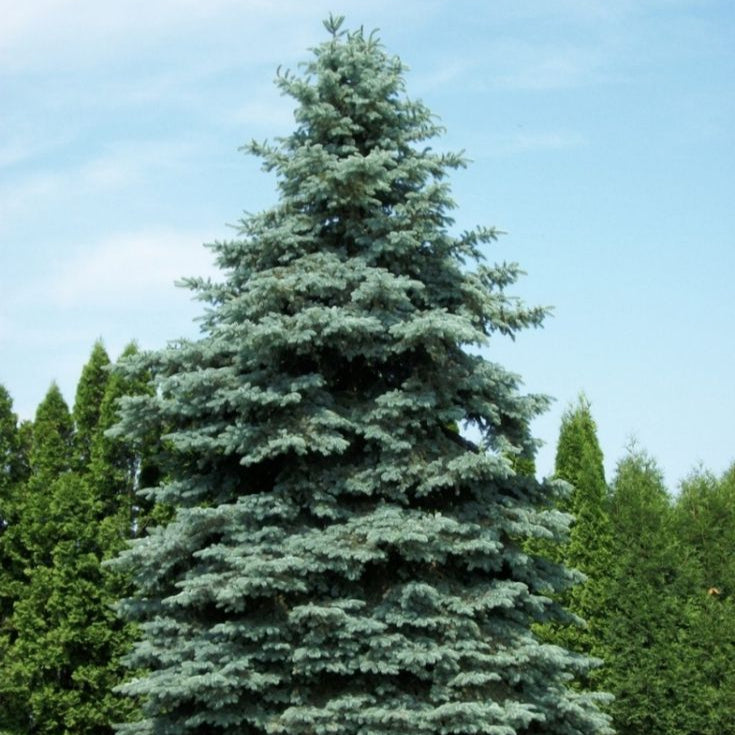
Transform your garden with the magnificent Blue Spruce (Picea pungens), one of Britain's most sought-after ornamental conifers. With its stunning silvery-blue needles and perfectly symmetrical pyramidal form, this spectacular evergreen brings year-round architectural beauty and a touch of alpine elegance to any landscape.
Key Features
- Striking Year-Round Colour: Distinctive grey-blue to silver-blue foliage that intensifies in winter, creating stunning contrast against darker evergreens
- Architectural Form: Naturally develops a perfect pyramidal shape with horizontal branching, requiring minimal pruning
- Exceptional Hardiness: Fully hardy to -25°C, thriving in exposed positions and tolerating urban pollution and coastal conditions
- Wildlife Haven: Provides essential winter shelter and nesting sites for birds, with cones attracting finches and other seed-eating species
- Impressive Growth: Reaches 15-23m (50-75ft) at maturity with a 4-6m spread, growing steadily at 30-40cm per year once established
- Low Maintenance: Drought-tolerant once established, disease-resistant, and requires no regular pruning to maintain its elegant shape
Perfect For
The Blue Spruce excels as a majestic specimen tree in lawns and large borders, creating a stunning focal point that commands attention throughout the seasons. Ideal for mixed conifer plantings, woodland edges, and large-scale landscaping projects. Its compact juvenile growth also makes it suitable for container cultivation in the early years, perfect for patios and terraces before planting out. A traditional choice for creating windbreaks and privacy screens, and beloved as a living Christmas tree that can be planted out after the festive season.
Growing Conditions
Blue Spruce thrives in full sun to partial shade and prefers well-drained, slightly acidic to neutral soil, though it adapts well to most soil types including clay and sandy soils. Plant in an open position with good air circulation, spacing at least 3-4 metres from buildings and other trees. Water regularly during the first two growing seasons to establish a deep root system, then only during prolonged dry spells. Apply a balanced slow-release fertilizer in early spring and mulch around the base to retain moisture and suppress weeds.
What You'll Receive
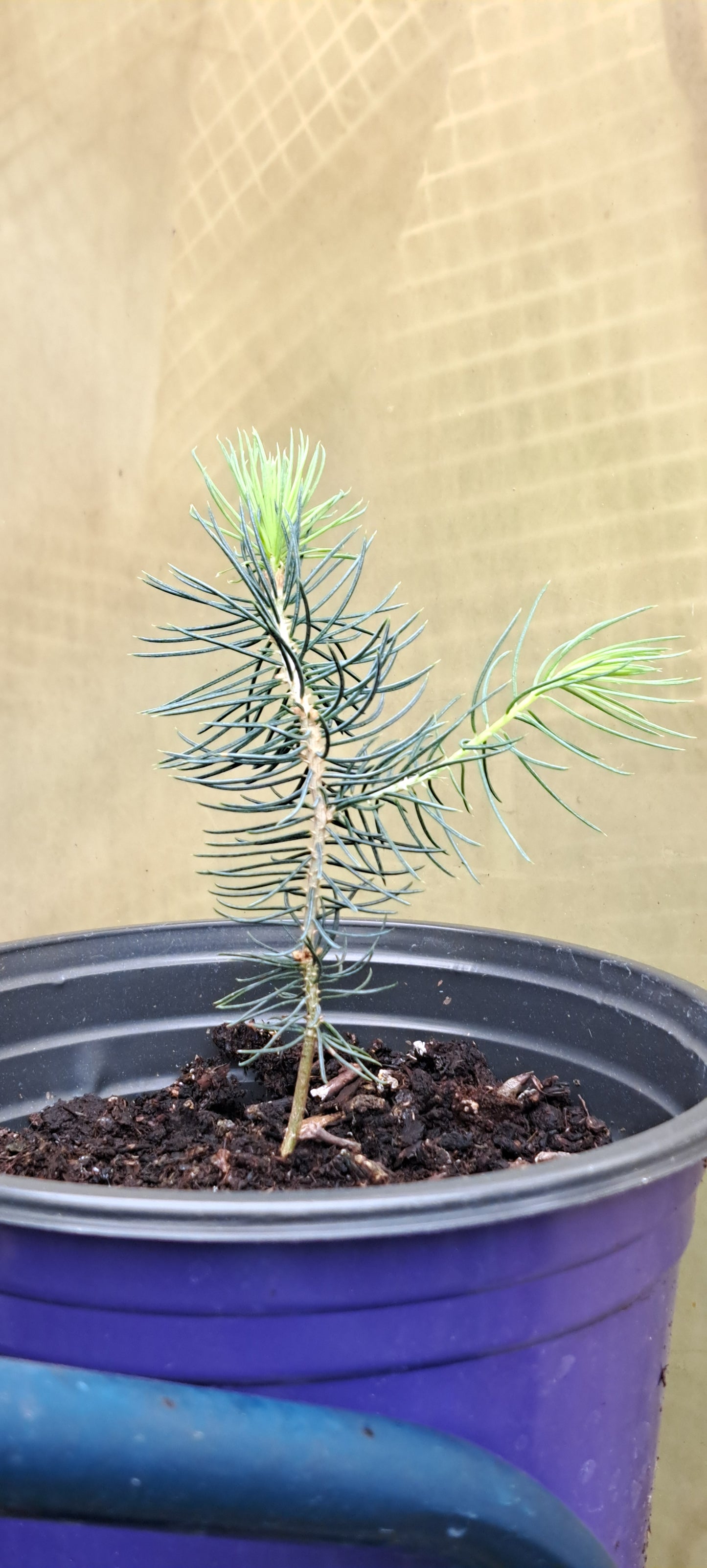
Supplied as a healthy young sapling approximately 6-8 inches tall, grown from seed and over one year old, in excellent condition and ready to plant. Each tree comes with comprehensive care instructions covering watering, positioning, maintenance, and planting guidance to ensure successful establishment in your garden.
Frequently Asked Questions
Where should I plant my Blue Spruce?
Choose an open, sunny position with well-drained soil and plenty of space for the tree to develop its full pyramidal form. Blue Spruce needs room to spread—allow at least 3-4 metres from buildings, boundaries, and other large trees. Avoid planting in waterlogged areas or deep shade, as this can lead to poor growth and loss of the distinctive blue colouration. The tree is fully hardy across the UK and tolerates exposed, windy sites exceptionally well.
Is Blue Spruce hardy in the UK?
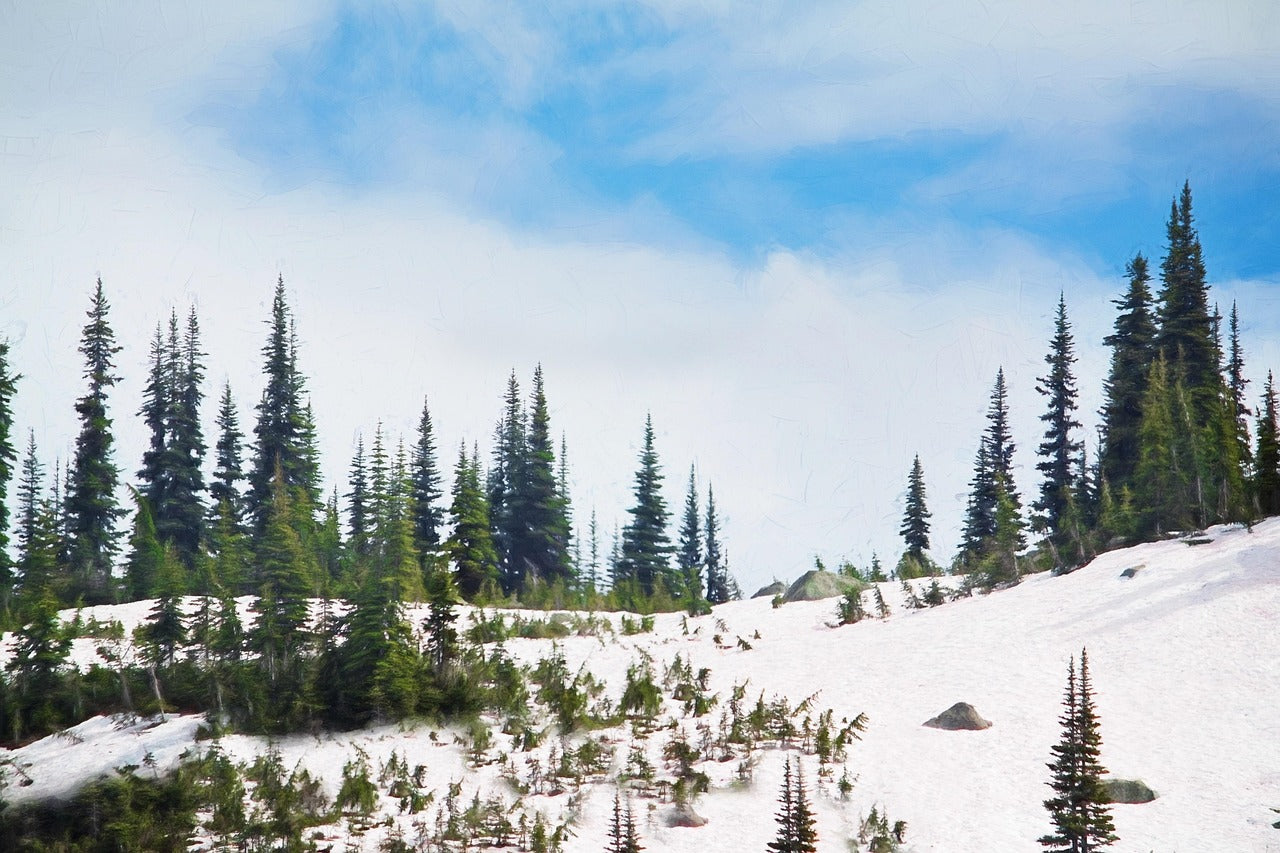
Absolutely! Blue Spruce is one of the hardiest conifers available, tolerating temperatures down to -25°C without damage. It's fully hardy throughout the UK, including Scotland and exposed upland areas. The tree actually originates from the Rocky Mountains of North America, where it endures harsh winters, making it perfectly suited to British conditions. It also tolerates urban pollution, salt spray in coastal gardens, and exposed positions better than most evergreens.
How fast does Blue Spruce grow?
Blue Spruce is a moderate to slow-growing conifer, typically adding 20-30cm in height per year during the first few years, increasing to 30-40cm annually once well established. Growth rate depends on soil quality, watering, and site conditions. In optimal conditions with regular watering and feeding, young trees can grow faster, while those in poor soil or exposed positions may grow more slowly. Patience is rewarded—a 10-year-old tree will typically reach 2-3 metres in height.
Why isn't my Blue Spruce as blue as I expected?
The intensity of blue colouration varies between individual trees and develops more strongly as the tree matures. Young seedlings often show green-blue foliage that becomes more silvery-blue over time. The bluest colour appears on new growth in spring and intensifies during winter months. Trees grown in full sun develop the best blue colouration, while those in shade tend to be greener. Adequate watering and feeding also help promote the characteristic blue hue. Be patient—the stunning blue colour will develop as your tree matures.
Can I grow Blue Spruce in a container?
Yes, Blue Spruce can be grown in a large container for several years, making it an excellent choice for patios, terraces, and balconies. Use a container at least 40-50cm in diameter with good drainage holes, filled with a mix of multi-purpose compost and grit or perlite for drainage. Container-grown trees require more frequent watering (especially in summer) and feeding with a balanced evergreen fertilizer in spring. Plan to plant out into the garden within 3-5 years, as the tree will eventually outgrow even large containers.
When is the best time to plant Blue Spruce?
The ideal planting times are autumn (September to November) or early spring (March to April) when the soil is workable and not frozen. Autumn planting allows the roots to establish over winter, giving the tree a head start in spring. Avoid planting during summer heat or winter frost. Container-grown saplings can technically be planted year-round, but avoid extreme weather and ensure consistent watering if planting outside the optimal window.
Does Blue Spruce need pruning?
Blue Spruce naturally develops a perfect pyramidal shape and requires minimal pruning. Remove any dead, damaged, or diseased branches as needed, and trim back any competing leaders to maintain a single central trunk. If you wish to control size or shape, prune lightly in late winter or early spring before new growth begins, cutting back to a side branch or bud. Avoid heavy pruning, as conifers don't regenerate well from old wood. For most gardeners, simply removing lower branches as the tree matures to reveal the trunk is all that's needed.
What pests and diseases affect Blue Spruce?
Blue Spruce is generally disease-resistant and trouble-free. Occasionally, aphids may appear on new growth in spring—these can be washed off with a strong jet of water or treated with insecticidal soap if severe. Spruce adelgids (small sap-sucking insects) can cause needle drop but are rarely serious. Good air circulation, avoiding overhead watering, and maintaining tree health through proper watering and feeding are the best preventative measures. Needle cast diseases can occur in very wet conditions but are uncommon in well-sited trees.
How much water does Blue Spruce need?
Newly planted Blue Spruce requires regular watering—approximately 10-15 litres per week during the first growing season, increasing during hot, dry spells. Water deeply rather than frequently to encourage deep root growth. Once established (after 2-3 years), Blue Spruce is remarkably drought-tolerant and only needs watering during prolonged dry periods. Container-grown trees need more frequent watering, potentially daily in summer. Always check soil moisture before watering—the top 5cm should be dry to the touch.
Can I use Blue Spruce as a Christmas tree?
Yes! Blue Spruce makes an exceptional living Christmas tree with its perfect symmetrical shape, strong branches for ornaments, and excellent needle retention. Keep the tree in a cool room, water regularly to keep the root ball moist, and limit indoor time to 7-10 days to minimize stress. After Christmas, acclimatize the tree gradually by moving it to a cool porch or garage for a few days before planting out in the garden. This sustainable approach gives you a beautiful Christmas tree that continues to grow and bring joy for decades.
What wildlife does Blue Spruce attract?
Blue Spruce is a valuable wildlife tree, providing year-round shelter and nesting sites for garden birds including thrushes, finches, and tits. The dense evergreen foliage offers protection from predators and harsh weather. Mature trees produce cones that provide food for seed-eating birds such as crossbills, siskins, and goldfinches. The tree also supports various insects, which in turn attract insect-eating birds. Planting Blue Spruce contributes to garden biodiversity and creates a haven for wildlife throughout the year.
How do I care for my Blue Spruce in the first year?
Success in the first year comes down to consistent watering and protection from extremes. Water deeply once or twice weekly during dry spells, ensuring the root zone stays moist but not waterlogged. Apply a 5-7cm layer of mulch around the base (keeping it away from the trunk) to retain moisture and suppress weeds. Stake only if the site is very exposed, removing the stake after one year. Feed with a balanced slow-release fertilizer in early spring. Protect from strong winds and late frosts if possible, though Blue Spruce is naturally hardy. Monitor for pests and ensure good weed control around the base.
Share