Akplants
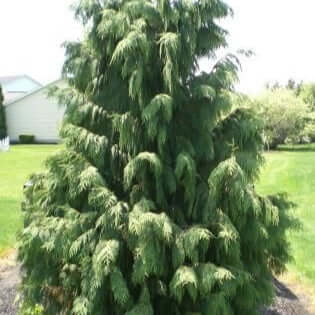
Chinese Weeping Cypress 10 inch seedling in a 5 inch pot
Chinese Weeping Cypress 10 inch seedling in a 5 inch pot
Couldn't load pickup availability
Discover the enchanting beauty of the Chinese Weeping Cypress (Cupressus funebris), a graceful evergreen conifer that brings an air of oriental elegance and tranquility to any garden. With its distinctive weeping habit, pendulous branches cascading like a living waterfall, and rich cultural heritage spanning centuries, this remarkable tree creates a stunning focal point that captivates throughout the year.
Key Features
- Graceful Weeping Form: Elegant pendulous branches with slender, drooping sprays create a distinctive cascading silhouette that evokes serenity and movement
- Year-Round Evergreen Beauty: Fine-textured, scale-like foliage in rich grey-green to blue-green tones provides continuous colour and structure through all seasons
- Aromatic Foliage: Fragrant, resinous leaves release a fresh, pleasant scent when brushed, adding sensory appeal to the visual beauty
- Cultural Heritage: Revered in Chinese culture for over 2,000 years, traditionally planted in temple gardens, monasteries, and sacred spaces as a symbol of mourning and remembrance
- Impressive Stature: Matures to 15-25m (50-80ft) tall with a 6-10m spread, developing an elegant conical to rounded crown with age
- Moderately Hardy: Tolerates temperatures down to -10°C, suitable for sheltered gardens in milder UK regions and urban microclimates
Perfect For
Chinese Weeping Cypress excels as a magnificent specimen tree in lawns, creating a dramatic focal point that draws the eye with its graceful, weeping silhouette. Ideal for oriental-style gardens, water features, and contemplative spaces where its serene form enhances the peaceful atmosphere. Perfect for large mixed borders, woodland edges, and parkland settings where it has room to develop its full architectural beauty. The tree's elegant form also makes it suitable for formal gardens, memorial gardens, and as a striking accent near buildings or gateways. In milder regions, it creates stunning visual impact in coastal gardens and sheltered urban landscapes.
Growing Conditions
Chinese Weeping Cypress thrives in full sun to partial shade and prefers deep, moist, well-drained soil that's slightly acidic to neutral, though it adapts to most soil types except heavy, waterlogged clay. Choose a sheltered position protected from harsh winter winds and late frosts, ideally in a south or west-facing location or against a wall in cooler regions. Water regularly during the first two to three growing seasons to establish a deep, robust root system, then only during prolonged dry spells. Apply a balanced slow-release fertilizer in early spring and maintain a 7-10cm mulch layer around the base to retain moisture and regulate soil temperature. In exposed or colder areas, provide winter protection with horticultural fleece during the first few years.
What You'll Receive
Supplied as a healthy young sapling approximately 6-8 inches tall, established in a 5-inch pot and ready to plant. Each tree is carefully grown to ensure vigorous development and comes with comprehensive care instructions covering watering, positioning, maintenance, and planting guidance for successful establishment in your garden.
Frequently Asked Questions
Is Chinese Weeping Cypress hardy in the UK?
Chinese Weeping Cypress is moderately hardy, tolerating temperatures down to -10°C, which makes it suitable for sheltered gardens in southern England, the Midlands, urban areas with milder microclimates, and coastal regions. It's less hardy than native conifers and can suffer frost damage during severe winters or in exposed positions. For best results, plant in a sheltered spot against a south or west-facing wall, protected from cold north and east winds. In colder regions (northern England, Scotland, exposed uplands), consider growing in a large container that can be moved to a sheltered position during winter, or choose a hardier weeping conifer like Deodar Cedar 'Pendula'. Young trees are more vulnerable to frost, so provide winter protection for the first 3-5 years.
Where should I plant my Chinese Weeping Cypress?
Choose a sunny to partially shaded position with shelter from harsh winds and excellent drainage—Chinese Weeping Cypress will not tolerate waterlogged soil or exposed, windswept sites. South or west-facing locations provide ideal warmth and protection, particularly near walls, buildings, or within the shelter of larger trees. Avoid frost pockets where cold air collects and areas with heavy clay soil prone to winter waterlogging. The tree needs ample space to develop its weeping canopy—allow at least 6-8 metres from buildings and other large trees. Chinese Weeping Cypress thrives in urban gardens where buildings provide shelter and warmth, in woodland clearings with dappled shade, and near water features where its graceful reflection enhances the landscape.
How fast does Chinese Weeping Cypress grow?
Chinese Weeping Cypress is a moderate grower, typically adding 30-50cm in height per year once established, depending on growing conditions. In optimal conditions—full sun, deep moist soil, regular watering, and shelter—young trees can grow 50-70cm annually. Growth slows in poor soil, shade, or exposed positions. A 5-year-old tree will typically reach 2-3 metres in height, while a 10-year-old specimen can reach 5-8 metres with a developing weeping canopy. The distinctive pendulous branching becomes more pronounced as the tree matures, with the most dramatic weeping effect appearing after 7-10 years of growth.
Can I grow Chinese Weeping Cypress in a container?
Yes, Chinese Weeping Cypress can be grown in a large container for several years, making it an excellent choice for patios, terraces, and conservatories, particularly in colder regions where containers can be moved to sheltered positions in winter. Use a very large container (minimum 60-70cm diameter and depth) with excellent drainage holes, filled with a mix of John Innes No. 3 compost and horticultural grit (70:30 ratio) for stability and drainage. Container-grown trees require regular watering—daily in summer—and feeding with a balanced evergreen fertilizer every 4-6 weeks during the growing season. Repot every 2-3 years or top-dress with fresh compost annually. Plan to plant out into the garden within 5-7 years, as the tree will eventually outgrow even large containers.
Does Chinese Weeping Cypress need pruning?
Chinese Weeping Cypress naturally develops its graceful weeping form and requires minimal pruning. Remove any dead, damaged, or diseased branches as needed, and trim back any upward-growing shoots that spoil the weeping silhouette in late spring or early summer after the risk of frost has passed. If multiple leaders develop, retain the strongest central stem to maintain the classic form. You can lightly thin overcrowded branches to improve air circulation and enhance the cascading effect, but avoid heavy pruning or cutting into old wood, as cypresses don't regenerate well from bare branches. For most gardeners, simply removing lower branches as the tree matures to reveal the trunk and enhance the weeping canopy is all that's needed.
Why is my Chinese Weeping Cypress turning brown?
Browning foliage can result from several causes. Winter cold damage and frost are common, particularly in exposed positions or during severe cold snaps—protect young trees with fleece during harsh weather below -8°C. Overwatering or poor drainage causes root rot, leading to brown foliage and branch dieback; ensure the soil drains freely and reduce watering in winter. Conversely, drought stress during establishment or prolonged dry spells can cause browning—water deeply during dry periods in the first three years. Cypress canker (a fungal disease) causes branch dieback with resinous cankers on bark; prune out affected branches, sterilizing tools between cuts. Spider mites can cause bronzing in hot, dry conditions—increase humidity by spraying foliage. Check the browning pattern: inner foliage browning and shedding is normal seasonal renewal, while outer foliage browning indicates environmental stress or disease.
How do I protect Chinese Weeping Cypress in winter?
In colder regions or during severe winters, provide protection to prevent frost damage and desiccation. Wrap young trees (first 3-5 years) in horticultural fleece during prolonged cold spells below -8°C, removing it during milder periods to prevent moisture buildup and fungal issues. Apply a thick mulch (10-15cm) of bark chips or well-rotted compost around the base in late autumn to insulate roots, keeping it 15cm away from the trunk. Ensure trees are well-watered going into winter, as evergreens continue to lose moisture through foliage and can suffer desiccation when the ground is frozen. Avoid feeding after mid-summer, as this encourages soft growth vulnerable to frost. Container-grown trees should be moved to a sheltered porch, cool conservatory, or against a house wall during the coldest months, ensuring the compost doesn't dry out completely.
What is the cultural significance of Chinese Weeping Cypress?
Chinese Weeping Cypress holds profound cultural and spiritual significance in Chinese tradition, where it has been revered for over two millennia. The species name 'funebris' (meaning 'funereal') reflects its traditional association with mourning, remembrance, and the afterlife—it has been planted in cemeteries, temple grounds, and sacred spaces throughout China since ancient times. Buddhist and Taoist monasteries feature ancient specimens, some over 1,000 years old, symbolizing longevity, resilience, and the connection between the earthly and spiritual realms. The tree was first documented by Western botanists during Lord Macartney's diplomatic mission to China in 1793. Its graceful, weeping form is said to represent tears of sorrow and the bowing of respect to ancestors. Today, Chinese Weeping Cypress remains a powerful symbol of Chinese horticultural heritage and contemplative garden design.
What pests and diseases affect Chinese Weeping Cypress?
Chinese Weeping Cypress is generally pest-resistant but can be affected by a few issues. Cypress aphids occasionally infest new growth in spring, causing yellowing and sticky honeydew secretion—treat with insecticidal soap or encourage natural predators like ladybirds. Spider mites can cause bronzing and fine webbing in hot, dry conditions—increase humidity by spraying foliage with water and improve air circulation. Cypress canker (Seiridium cardinale) is the most serious disease, causing branch dieback, resinous cankers on bark, and eventual tree decline; prune out infected branches immediately, sterilizing tools between cuts, and improve growing conditions. Phytophthora root rot occurs in waterlogged soil, causing yellowing, wilting, and death—prevention through excellent drainage and avoiding overwatering is essential. Scale insects occasionally appear on stems—treat with horticultural oil. Maintaining tree health through proper siting, watering, and feeding is the best defense against all problems.
When is the best time to plant Chinese Weeping Cypress?
The ideal planting time is mid to late spring (April to May) after the risk of hard frost has passed, giving the tree a full growing season to establish before its first winter. Early autumn (September to early October) is also suitable in milder regions, allowing root establishment while soil is still warm, but avoid autumn planting in colder areas where winter establishment is risky. Avoid planting in summer heat, which stresses young trees and increases watering demands, or during winter when the ground is frozen, waterlogged, or too cold for root growth. Container-grown saplings can technically be planted year-round in mild conditions, but spring planting gives the best results, particularly in marginal climates where winter hardiness is a concern.
How much water does Chinese Weeping Cypress need?
Newly planted Chinese Weeping Cypress requires regular, consistent watering—approximately 15-20 litres per week during the first growing season, increasing to 25-30 litres during hot, dry spells. Water deeply rather than frequently to encourage deep root growth, ensuring moisture reaches 40-50cm depth. The tree prefers moist (but not waterlogged) soil, so maintain consistent moisture levels, particularly during dry periods. Once established (after 2-3 years), Chinese Weeping Cypress is moderately drought-tolerant but performs best with supplemental watering during prolonged dry spells exceeding 2-3 weeks without rain. Container-grown trees need more frequent watering, potentially daily in summer, as pots dry out quickly. Always check soil moisture before watering—the top 5-7cm should be slightly dry to the touch. Reduce watering significantly in winter when the tree is dormant, watering only if the soil becomes very dry.
Can Chinese Weeping Cypress be used for bonsai?
Yes! Chinese Weeping Cypress is an excellent choice for bonsai cultivation, particularly valued for its naturally weeping habit, fine-textured foliage, and ability to develop characterful, aged-looking bark relatively quickly. The species responds well to wiring, pruning, and shaping, making it suitable for cascade, semi-cascade, and informal upright bonsai styles. Its naturally pendulous branches require minimal training to achieve the desired weeping effect. Use a well-draining bonsai soil mix, water regularly to keep the soil consistently moist (but not waterlogged), and feed with a balanced bonsai fertilizer during the growing season. Protect bonsai specimens from hard frost in winter by moving them to a cool, bright, frost-free location. With patience and care, Chinese Weeping Cypress develops into a stunning bonsai specimen that captures the grace and serenity of mature trees in miniature form.
How do I care for my Chinese Weeping Cypress in the first year?
First-year success depends on consistent moisture, shelter, and protection from extremes. Water deeply 2-3 times weekly during dry spells, ensuring the root zone stays consistently moist but not waterlogged—Chinese Weeping Cypress dislikes both drought and waterlogging. Apply a 7-10cm layer of organic mulch around the base (keeping it 15cm away from the trunk) to retain moisture, suppress weeds, and insulate roots. Stake if the site is exposed, using a single stake and flexible tie, removing it after one year once the tree is stable. Feed with a balanced slow-release fertilizer in mid-spring to encourage strong growth. Protect from strong winds, late frosts, and early autumn frosts with temporary windbreak netting or fleece. Monitor for pests and ensure good weed control around the base to reduce competition. Avoid overwatering in winter, which can cause root rot. With attentive care in the first year, your Chinese Weeping Cypress will establish strongly and develop into a graceful, long-lived specimen that brings beauty and tranquility to your garden for generations.
Share