Akplants
Persian Lilac Tree (Melia Azedarach) - Fast-Growing Ornamental | Akplants
Persian Lilac Tree (Melia Azedarach) - Fast-Growing Ornamental | Akplants
Couldn't load pickup availability
Transform Your Garden with the Enchanting Persian Lilac
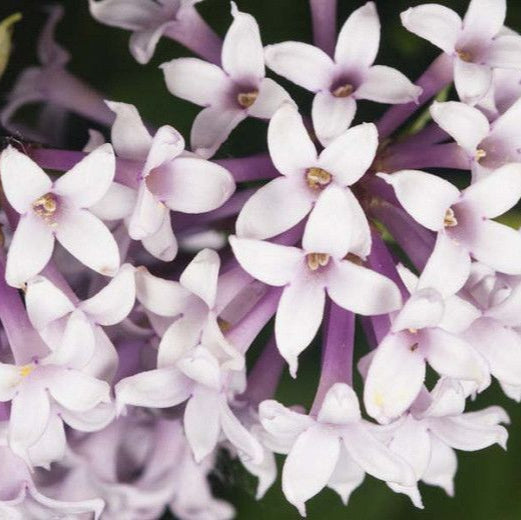
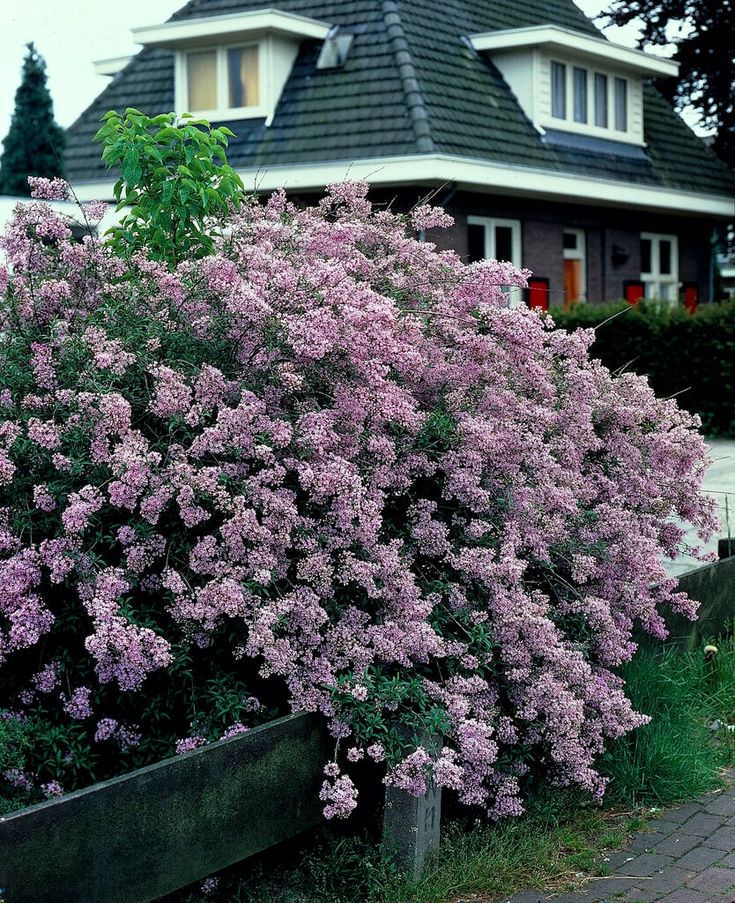
Imagine stepping into your garden each spring to be greeted by cascading clusters of fragrant, pale lilac flowers. The Persian Lilac (Melia Azedarach) brings this dream to life with its spectacular floral display and elegant form.
The plant supplied is now dormant with buds about to appear and will quickly grow. It will be about 12 inches tall in a 5 inch pot.
Key Features:
- Stunning Blooms: Profusion of fragrant, star-shaped lilac flowers in loose, arching clusters from late spring through summer
- Fast-Growing: Quickly establishes to create a beautiful focal point in your garden, reaching up to 15m in ideal conditions
- Year-Round Interest: Glossy pinnate leaves with numerous ovate leaflets create attractive feathery foliage, followed by decorative yellow fruit
- Hardy & Adaptable: Thrives in UK gardens with proper care
- Distinctive Flowers: Five linear petals forming whitish-purple rays with prominent dark purple centres
What You'll Receive:
A healthy young tree approximately 12 inches tall, carefully grown in a 5-inch pot and ready to plant in your garden.
Native to: Warm temperate regions of India and China
Mature Height: Up to 15m
Flowering Period: Late spring through summer
Frequently Asked Questions
How tall does the Persian Lilac tree grow?
The Persian Lilac (Melia azedarach) is a fast-growing ornamental tree that can reach heights of up to 15 metres (approximately 50 feet) at maturity. Growth rate depends on soil conditions, climate, and care.
What size tree will I receive?
You'll receive a healthy young tree approximately 18 inches tall, potted in a 5-inch container and ready to plant in your garden.
Is the Persian Lilac suitable for UK gardens?
Yes, the Persian Lilac is hardy and well-suited to UK gardens. It thrives in full sun to partial shade and adapts to various soil types, though it prefers well-drained soil.
When does the Persian Lilac flower?
The tree produces beautiful, fragrant pale lilac flowers in late spring to early summer. The blooms are followed by attractive golden berries that persist into winter.
How do I care for my Persian Lilac tree?
Plant in well-drained soil with plenty of sunlight. Water regularly during the first growing season to establish roots. Once established, the tree is relatively drought-tolerant. Prune in late winter to maintain shape if desired.
How fast does it grow?
The Persian Lilac is a fast-growing tree, typically adding 60-90cm (2-3 feet) per year under optimal conditions, making it an excellent choice for creating quick impact in your garden.
Is the tree fragrant?
Yes! One of the Persian Lilac's most beloved features is its sweetly fragrant pale lilac flowers that perfume the garden during the flowering season.
What spacing is recommended?
Plant at least 5-6 metres away from buildings, boundaries, and other large trees to allow for the mature canopy spread and root development.
Are there any special considerations?
Note that all parts of the tree, particularly the berries, are toxic if ingested. Plant away from areas where children or pets play. The tree may self-seed in mild climates.
When is the best time to plant?
The ideal planting time is autumn or early spring when the soil is workable and the tree can establish roots before the growing season. Container-grown trees like ours can be planted year-round, avoiding frozen or waterlogged ground.
Persian Lilac Planting Checklist
Before You Plant
☐ Choose a location with full sun to partial shade (minimum 6 hours of sunlight daily)
☐ Ensure the site has well-drained soil – avoid waterlogged areas
☐ Check spacing – allow at least 5-6 metres from buildings, boundaries, and other trees
☐ Consider the mature height (up to 15m) and proximity to overhead cables
☐ Note that berries are toxic – avoid planting near children's play areas or where pets roam
☐ Check for underground utilities before digging
What You'll Need
☐ Spade or garden fork
☐ Organic compost or well-rotted manure
☐ Mycorrhizal fungi (optional but beneficial for root establishment)
☐ Watering can or hose
☐ Mulch (bark chips, wood chips, or compost)
☐ Garden stake and tree tie (for exposed locations)
☐ Gardening gloves
Planting Steps
☐ Water the potted tree thoroughly 1-2 hours before planting
☐ Dig a hole twice as wide as the root ball and the same depth
☐ Loosen the soil at the bottom and sides of the hole
☐ Mix excavated soil with organic compost (1:1 ratio)
☐ Gently remove the tree from its pot, teasing out any circling roots
☐ Place the tree in the hole – ensure the top of the root ball is level with the ground
☐ Backfill with the soil and compost mixture, firming gently as you go
☐ Create a shallow watering basin around the base
☐ Water thoroughly to settle the soil and eliminate air pockets
☐ Apply a 5-7cm layer of mulch around the base (keep clear of the trunk)
First Season Care
☐ Water deeply once or twice weekly during dry spells (first growing season)
☐ Check soil moisture regularly – it should be moist but not waterlogged
☐ Monitor for pests or disease (though Persian Lilac is generally hardy)
☐ Avoid fertilizing in the first year – let roots establish naturally
☐ Remove any weeds competing for water and nutrients
☐ Check tree ties monthly if staked – loosen as the trunk grows
Best Planting Times for UK
☐ Optimal: October to March (dormant season) when soil is workable
☐ Good: April to May (spring planting with regular watering)
☐ Avoid: Frozen ground, waterlogged soil, or peak summer heat
Long-Term Success Tips
☐ Once established (after first year), the tree is relatively drought-tolerant
☐ Prune in late winter if needed to maintain shape or remove damaged branches
☐ Refresh mulch annually to suppress weeds and retain moisture
☐ Watch for self-seeded seedlings and remove if unwanted
☐ Enjoy the fragrant lilac blooms in late spring and golden berries in autumn!
Share